The challenge
Procedures lived on 30+ conflicting paper documents and in a few people's memories.
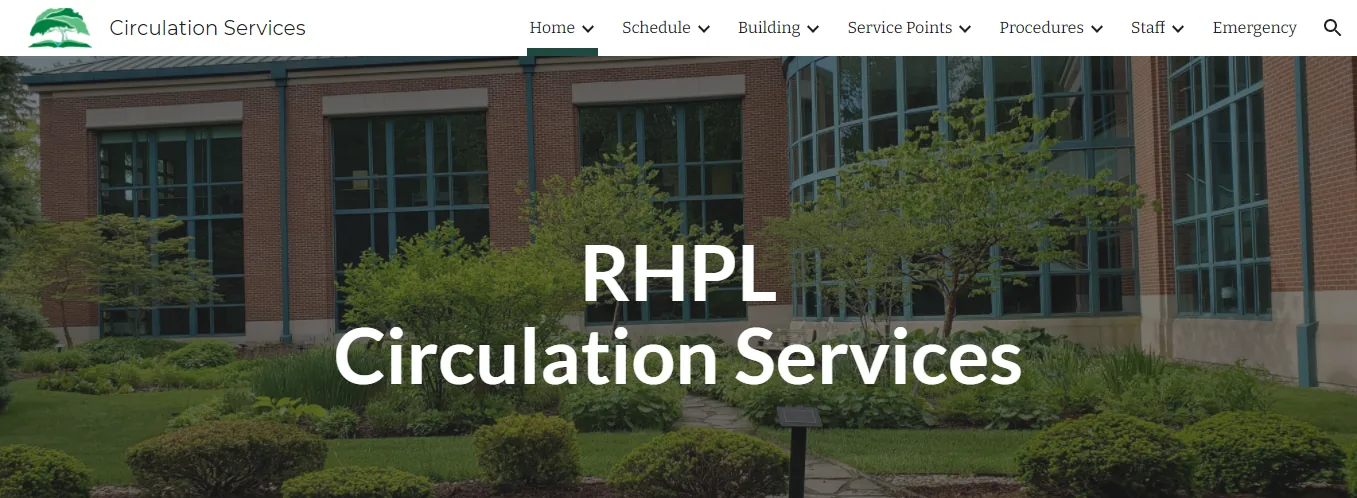
The circulation department had no single source of truth. Procedures lived on more than 30 paper documents tacked to bulletin boards, many of which contradicted each other, and in the memories of a few long-time staff.
That created problems on both sides of the desk:
- Patrons got inconsistent answers. Staff applied policies like fine waivers differently because they had learned them differently.
- New hires took two months to work independently. Part-time staff worked about 20 hours a week, and we hired one every two to three months, so the team stayed understaffed long after each hire.
- Full-time staff carried the load. They trained new hires one-on-one on top of their own work.
- The knowledge was fragile. If one long-time staff member was out sick, or left, the department lost answers no one else had.
Scope and constraints
No budget, a mostly part-time team, and only the tools the library already had.
- Budget: $0 beyond staff time.
- Team: About 20 circulation staff, mostly part-time, working about 20 hours a week.
- Hiring pace: A new hire every two to three months, so training never stopped.
- Tools: Only what the library already had: Niche Academy and Google Sites, managed by IT.
Discovery
The department ran on oral history.
The biggest finding was how much of the department ran on oral history. Training was essentially senior staff passing down what they remembered.
I talked with:
- All six long-time staff in my department, who did most of the training
- Recent hires who had just been through it
- Two other department heads, to learn how they onboarded people
- The library director
I also collected and audited every procedure document I could find, more than 30 in all, and flagged where they conflicted. That audit became the starting point for one definitive set of procedures.
Strategy
Treat training as a service with two sets of users.
I treated training as a service with two sets of users: new hires learning the job, and long-time staff who had been doing the teaching. The patron at the desk was the person who ultimately benefited.
Three moves:
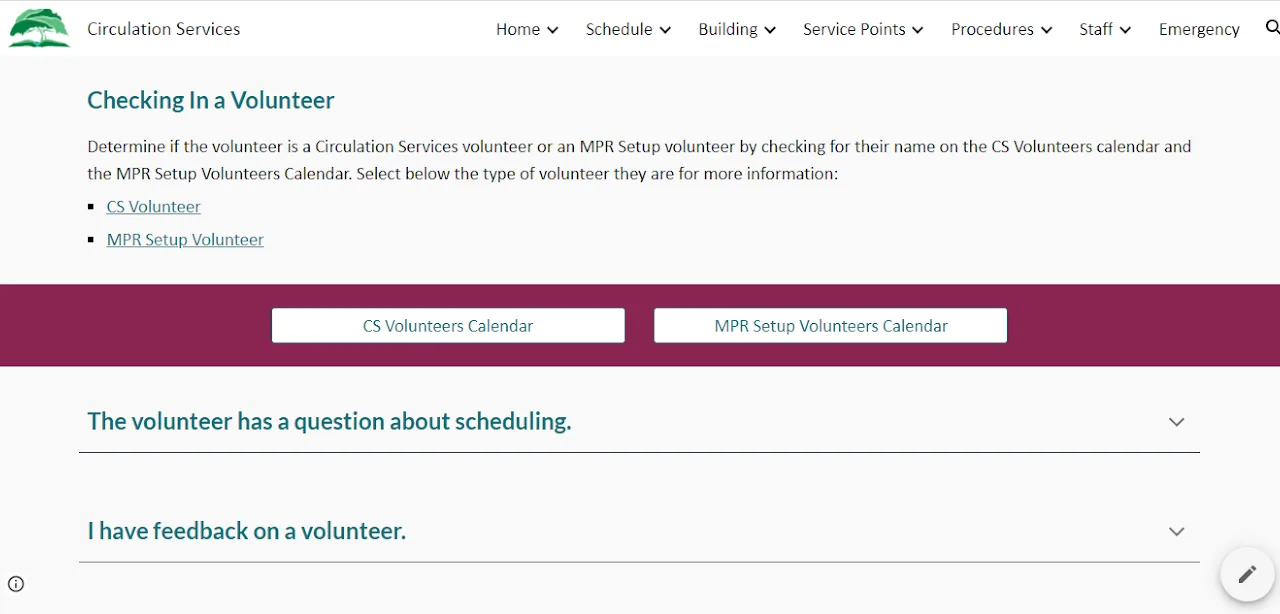
- Create one source of truth. Rewrite the conflicting paper documents into standardized procedures, stored on a searchable department intranet.
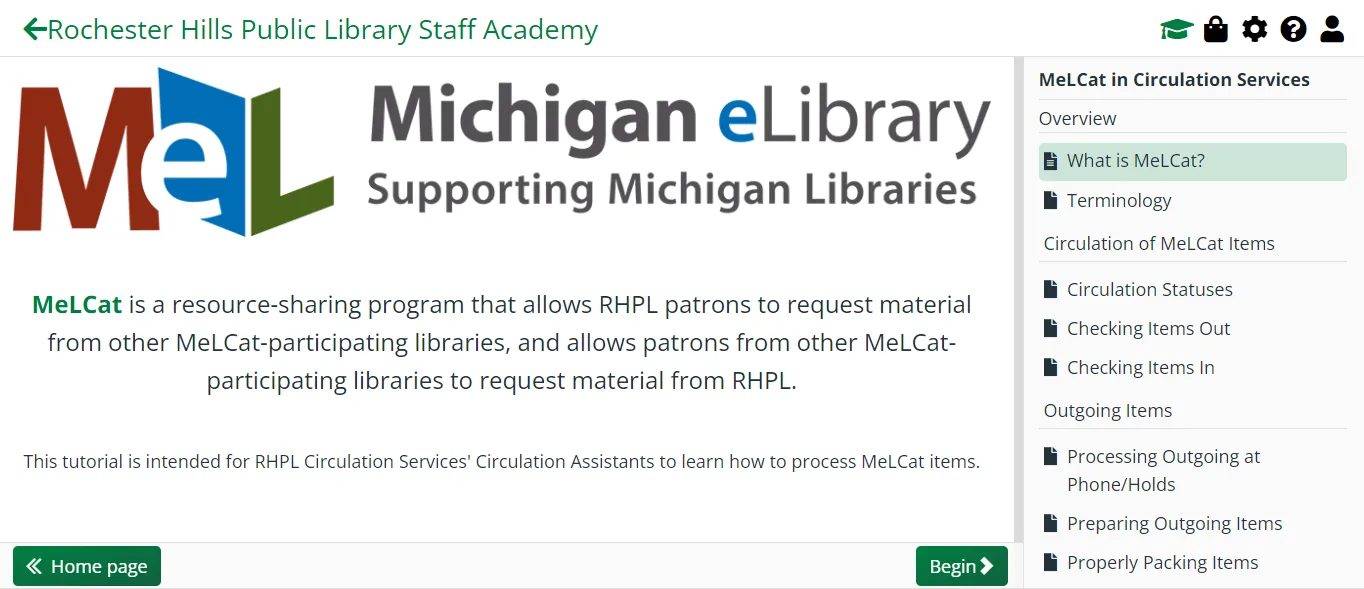
- Teach the foundations online first. Short self-paced courses give new hires the big picture and check their understanding before they shadow anyone.
- Change long-time staff from trainers to resources. Instead of lecturing one-on-one, they answer questions while new hires practice at the desk.
| Before | After | |
|---|---|---|
| Where procedures lived | 30+ paper documents, often conflicting | One searchable intranet |
| How new hires learned | One-on-one lectures and shadowing | Online courses, then hands-on practice |
| Checking understanding | No reliable way | Quizzes in each course, plus check-ins |
| Time to work independently | About 2 months | About 2 weeks |
| Long-time staff role | Full-time trainers on top of their jobs | Available as resources |
The intranet was built around how staff actually look things up. Someone unsure how much of a fine they can waive can search "fine" or pick Fines from the Procedures menu.
Build
Piloted with new hires before it replaced the old program.
The whole project cost nothing beyond staff time. I used only tools the library already had:
- Niche Academy for the training courses, with comprehension quizzes built into each module
- Google Sites, managed by the library's IT department, for the procedures intranet
I worked with IT to make sure the intranet met the library's requirements before launch. I then piloted the new process with new hires, checking in with each one several times and comparing their readiness against the old program.
Results
Onboarding dropped from two months to two weeks.
New hires became independent in two weeks instead of two months, saving about $1,590 per hire in training time.
- Cost: At four to six hires a year, that's roughly $6,400–$9,500 a year in training hours saved. The figure is training hours saved multiplied by wage.
- Understanding: Course quizzes confirmed comprehension, and new hires said they felt ready to work on their own.
- Staff time: Long-time staff went back to their own work, answering questions instead of running training.
- Patrons: With one set of procedures, staff made more consistent decisions, so patrons got the same answer no matter who was at the desk.
- Durability: The courses and intranet are still in use nearly five years after I left. The team updates the content, and the structure hasn't needed to change.
Why it matters
UX work doesn't always involve a screen.
This project had no website redesign, app, or screen to polish, and it was still UX work. The patron experience at the desk was only as good as the system behind it: how staff learned, where answers lived, and who held the knowledge.
That's how I approach every engagement. Before deciding what to build, I look at the whole service, including the people delivering it, and fix the part that's actually broken. For organizations without a UX team, that often means working with the tools and budget they already have.